Where firefighters come to talk training
Tactical Building Blocks
Information
This group will focus on aggressive interior firefighting. We will address tactics that increase your chance of not getting jammed up and cover what actions to undertake if you do.We will cover some big issues as well as small tactical tips.
Website: http:// /firefightersafety.net/home-ffs.php
Members: 391
Latest Activity: Dec 16, 2018
Take Something Leave Something. We will add a Tactical Building Block each month. This will be a slide with a great photo that you can use to enhance one of your present presentations. Remember this is your site please post, photos and video. Thanks and be Safe
san_francisco_fire_fighter_crushed_by_falling_debr.mpegFire - Electrical, Service.mpeg
Always ensure that all elevators our searched
Click on link and learn why we stay away from power lines
p style="text-align: left;">
http://link.brightcove.com/services/link/bcpid1287024647/bctid10347003001
http://www.fireengineering.com/podcasts/podcastDetails.html?id=887
This is my brother. It goes to show you that everything can change in a 10th of a secound. While some firefighters should never touch a saw, even with the best training Jimmy is one of the guys you want on the saw. It can happen to any of us. Stay sharp.
Comment by P.J. Norwood on November 19, 2008 at 9:11pm Delete Comment Frank, I hope you don't mind me placing this info here. But you have a good following and I wanted to put something out there. If it's something in appropriate please feel free to delete but please suggest the appropriate forum.
Last week I had the privilege of traveling to Singapore. I spent a week at their Civil Defense Academy (SCDA) teaching for a private company I work for. SCDA is their fire and EMS training site. We can learn allot from the Singaporeans in firefighting and Haz Mat.
For example take a look at the following;
http://www.ifex3000.de/en/index.htm
Also take a look at the following information:
http://en.wikipedia.org/wiki/Singapore_Civil_Defence
We always hear, think outside of the box. But, we may also want to look outside of the USA box to some of our international brother and sisters.
Stay Safe.
P.J.
Find more videos like this on Fire Engineering Training Community Mayday calls keep getting lost in normal radio traffic. This method serves as the emergency tone to clear all radio traffic. We have found that firefighters that are trained in this method are more likely to activate their PASS after their Mayday as well. This method will get attention. Yes the PASS has been relegated to a car alarm in many departments. This must be stop. However firefighters are not accustom to hearing it on the radio. We train using the modified LUNAR report which includes assignment and air supply. For the firefighter that forgets to activate their PASS at the start of the MAYDAY dispatch will signal an emergency tone. Flimed by Ken Nolan Crash from Closecalls.com a great place to check things out. Find more videos like this on Fire Engineering Training Community">>
src="https://api.ning.com/files/Bg753yYrwFHcTSlX4Qxkfq-src=" alt="" width="450" height="400"/>
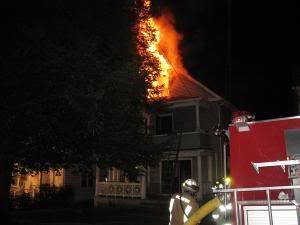
Wallingford CT Shift1 Photo by F Ricci
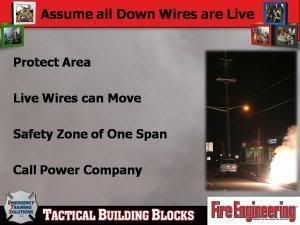
Safety posting have been going up in some strange places
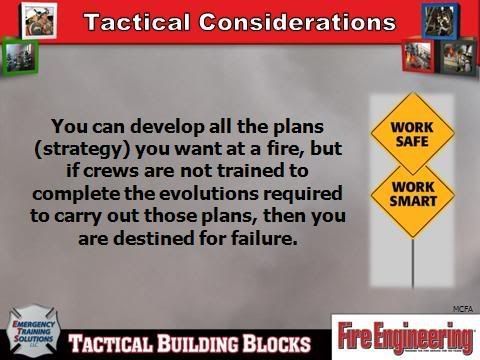
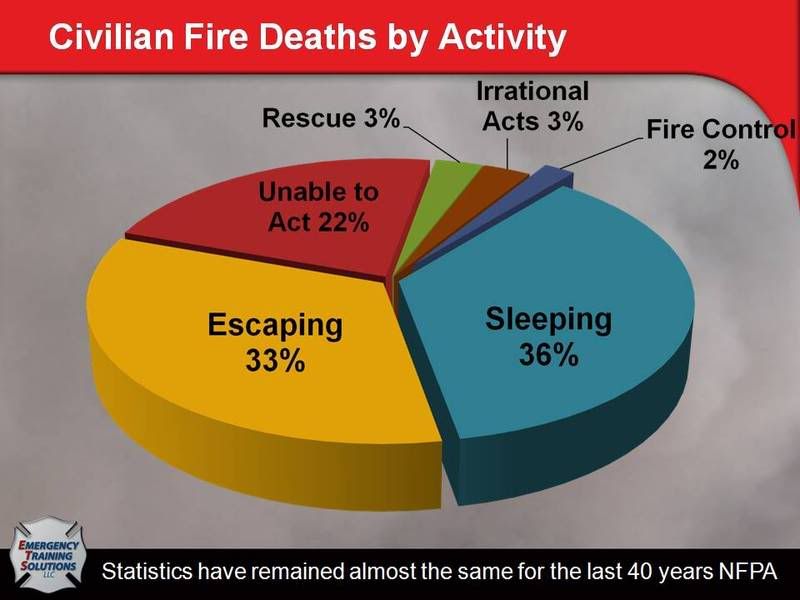


Locating the fire is one of the most important things we can do during the first 5 minutes at a fire scene. By doing so, this can allow for us to complete the many other tasks that we will need to do as well.
The victims in the greatest danger will be the ones who are closest to the seat of the fire – making these victims the first to be rescued (an attempt at the least).
Your first hand-line stretched will go to the seat of the fire for fire suppression.
When venting, you must know the location of the fire so you don’t cause it to spread throughout the structure and towards any other victims or firefighters who may be conducting a search.
**Ventilation and fire suppression should be coordinated with one another, therefore, communication between interior and roof teams is very important!!**
Lastly, do you have enough resources on scene with enough manpower, or will you need more due to the size and extent of fire.
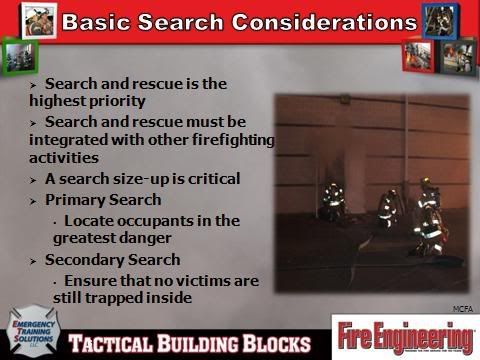
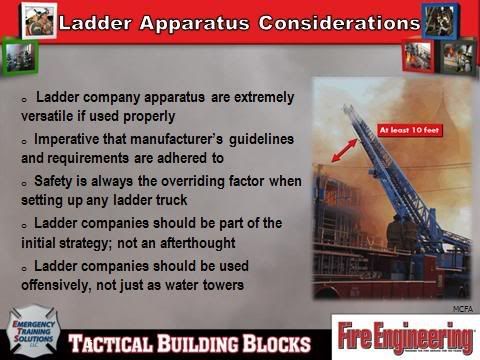

Inspecting our structural PPE is something that most of us usually overlook when it’s actually very important. “Your gear has heat damage, no moisture barrier left, and your helmet’s flip downs are melted away” – is this acceptable to keep your gear in service? For some of us, this may be so, but your life is more important… INSPECT YOUR GEAR and MAKE IT HOME SAFE!
Each and every piece of your gear should be considered when trying to decide if a garment has reached its useful lifespan.
The bottom line, regardless of when the clothing was produced, is that the safety officer or AHJ must routinely inspect PPE in order to assure that it is clean, maintained, and still safe to use.
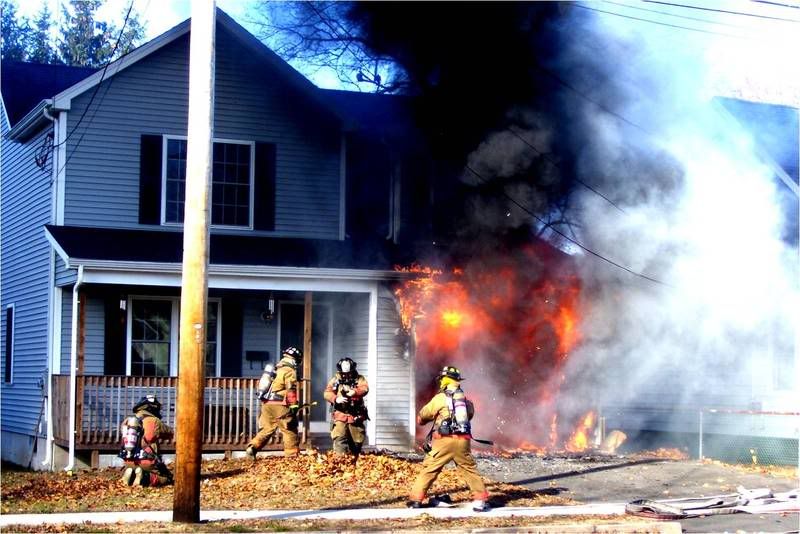
What size of line? Placement? Search priority and how?
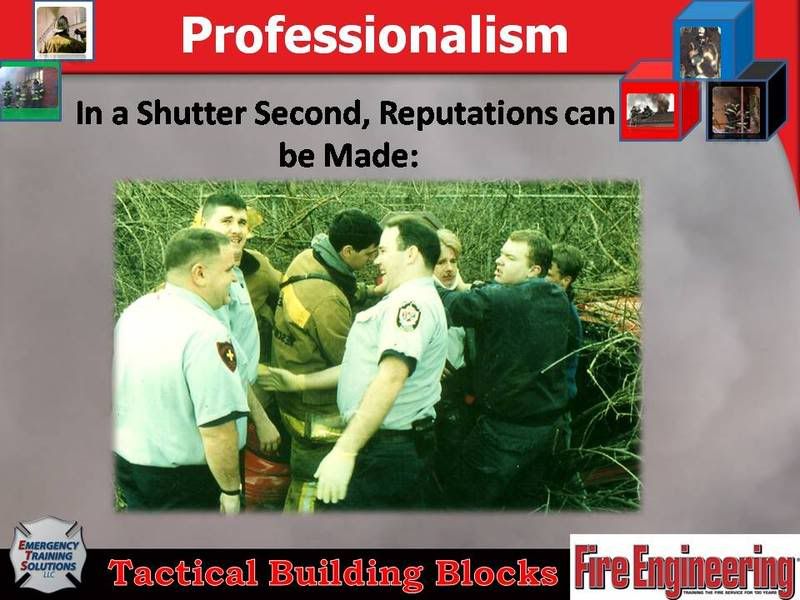
Most people do not understand what we do inside a fire, when we get the chance to meet our customers we must take advantage of it. The firefighters in the photo are all great at their job, this was taken in a split sec. Always have a good relationship with reporters. When it comes to the budget and staffing we need all the friends we can get.
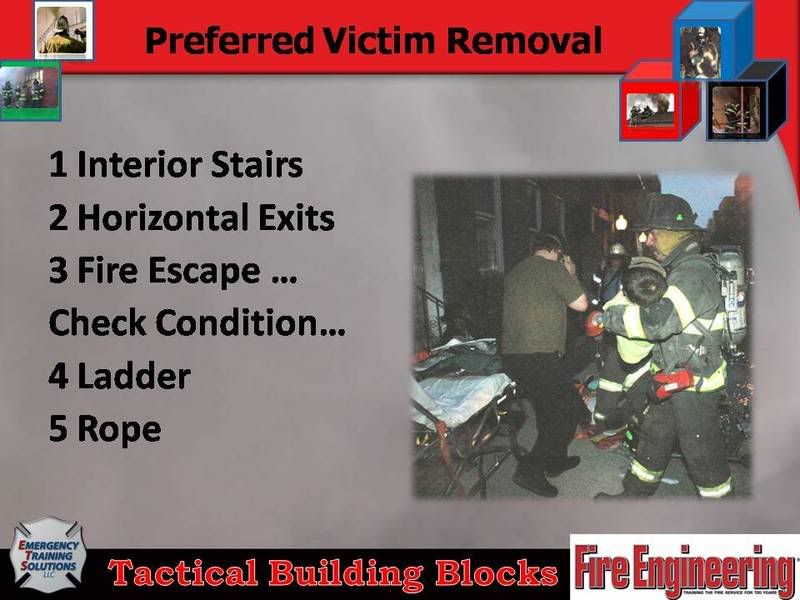
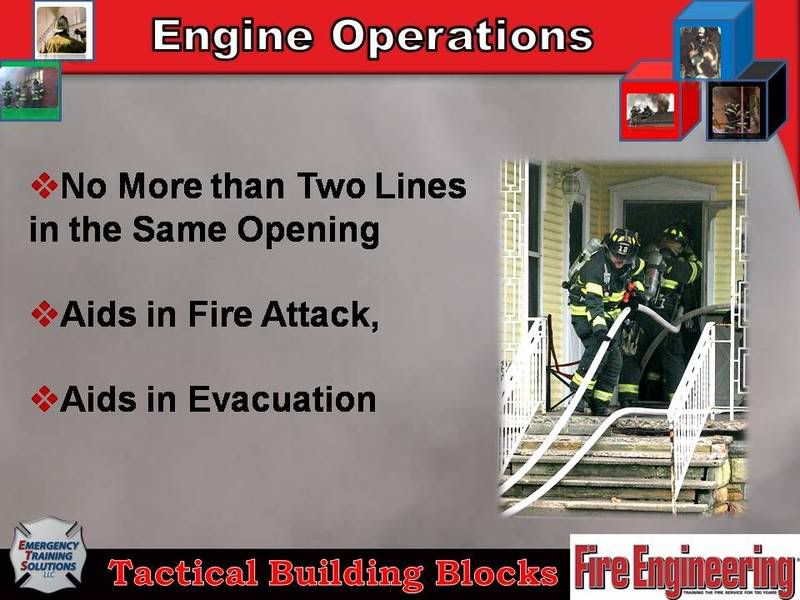
Check out this prop. Photo by one of our members Tim Olk. Look close the rebar is inserted in the tube so you can change it out and keep the drill moving. Great Concept.
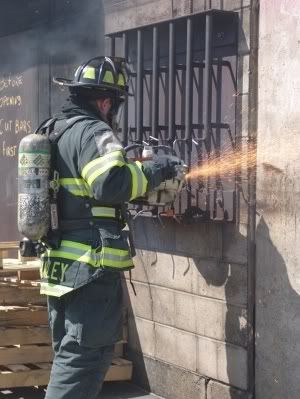
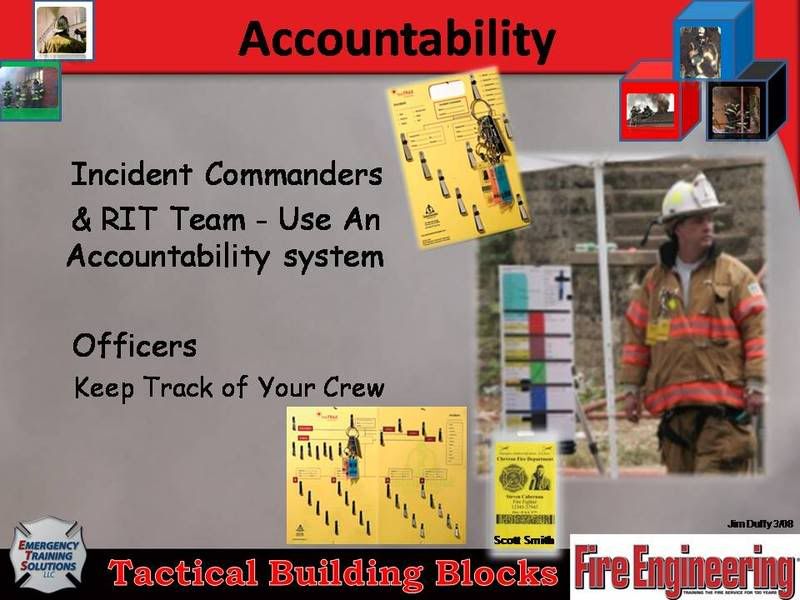
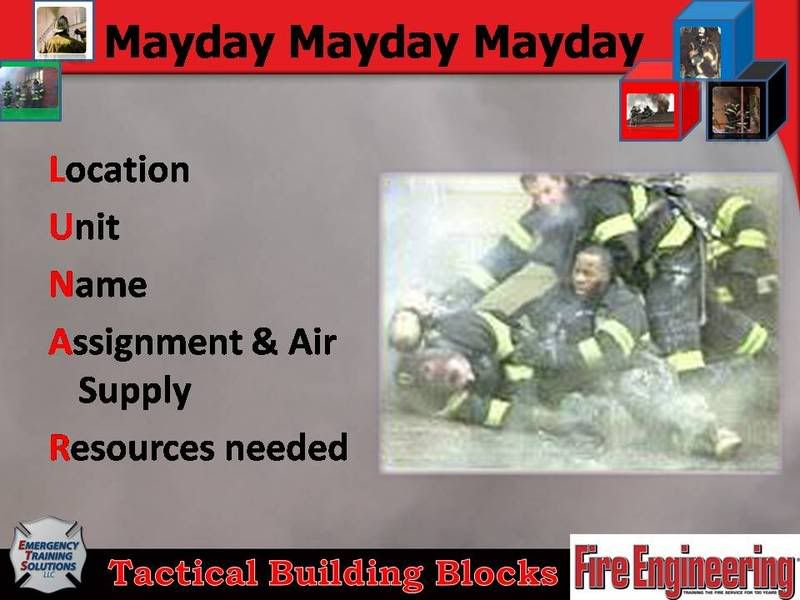
Comment below: Have you ever used this method to get thru a lock, what do you think? Filmed in North Haven CT.
Find more videos like this on Fire Engineering Training Community

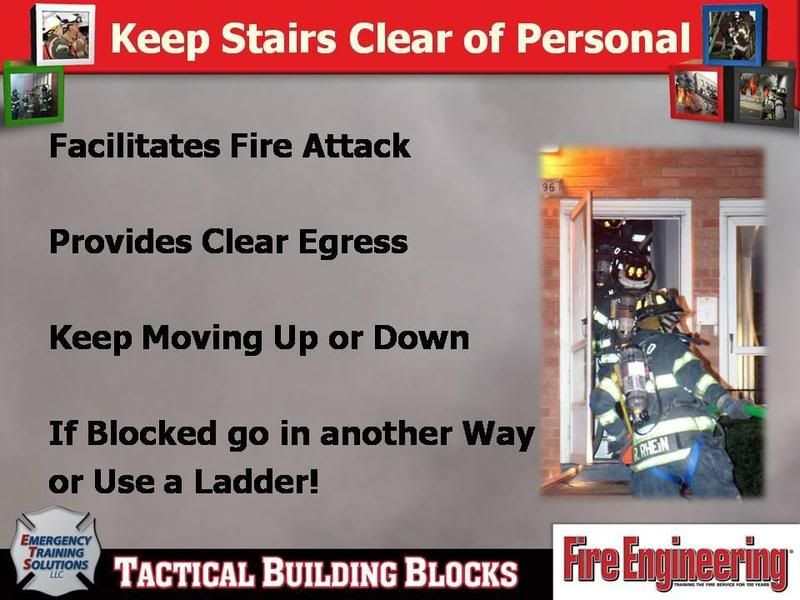
Firefighters should be required to go through flashover training in the academy. I know of several chiefs who will not let firefighters take flashover training because of irresponsible instructors destroying PPE. Chiefs should ensure proper instructors are running the simulator and allow their personal to take part in their vital training. Firefighters must be able to determine the conditions they operate in. Remember we control flashover with proper staffing and tactics that occur in unison with each other, as a truck guy it kills me to say having a charged hoseline is critical. Remember your risk changes based on your position and occupancy. DO NOT CROWD THE HALL OR STAIRS!! It impedes the advance and the retreat. Every fire department seems to have this problem especially stairs. Wouldn’t it be great if the fire department got ladders?

This is the first Tactical Tip. We are working with Fire Engineering to have all members of the group be able to build a tactical tip slide and share it with everyone. Until then I will post as jpegs. If you would like to contribute email me at ricci@local825.org and I will send you the background.

Slide Notes: During your RIT size up make note of hazards, When cutting bars make horizontal cuts first, they will be the most labor intensive. Then make your vertical cuts.
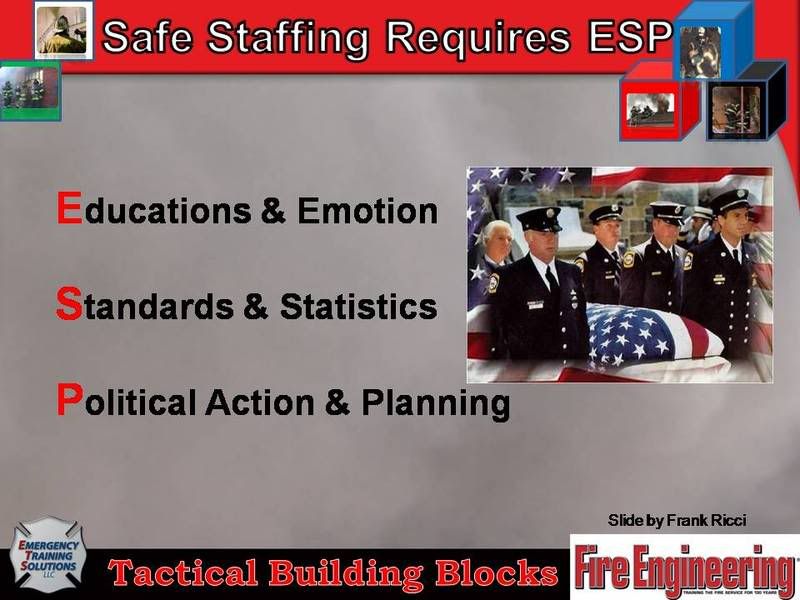
This film shows that it takes safe staffing to control the fire building
Find more videos like this on Fire Engineering Training Community
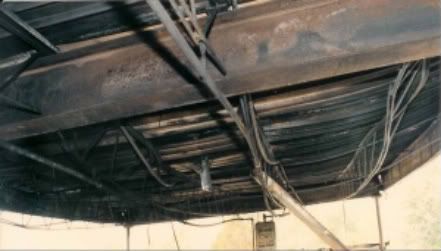
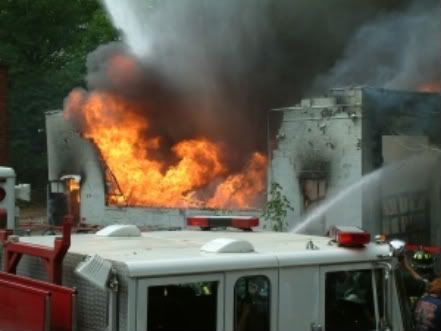
This Truss Roof Failed 6 min after Crews would have Been on Scene
Check out this short video on running out of air!!!!!!!!!!
Discussion Forum
What do you call your occupancies? 1 Reply
Started by Tim Linke. Last reply by Frank Ricci May 17, 2011.
Where to start your search? 12 Replies
Started by Mike Donovan. Last reply by Pierre-Louis LAMBALLAIS Apr 18, 2011.
Interior attack
Started by Pierre-Louis LAMBALLAIS Apr 18, 2011.
Frank Ricci Q&A from his Tactical Building Blocks Webcast 2 Replies
Started by Fire Engineering. Last reply by Frank Ricci Nov 22, 2010.
Ventilation Training 16 Replies
Started by Andrew Schaffran. Last reply by Andrew Schaffran Feb 19, 2010.
Smoke Showing video up 13 Replies
Started by Fire Engineering. Last reply by Frank Ricci Feb 14, 2009.
Roll call or PAR policy 1 Reply
Started by Mike Mullen. Last reply by Frank Ricci Oct 28, 2008.
Oh no its time to tallk about stairs again 1 Reply
Started by Stephen Young. Last reply by Frank Ricci May 25, 2008.
2-in-2-out 13 Replies
Started by Joe McClelland. Last reply by Rudy Horist Apr 19, 2008.
SCBA 8 Replies
Started by Bob Shovald. Last reply by David Rhodes Mar 23, 2008.
Comment Wall
Comment
-
Comment by Tom Helmkamp on January 14, 2014 at 11:53pm
-
FDNY Black Sunday first-hand survivor account along with leadership lessons from the FDNY, March 22nd in Fort Wayne, IN! Fireman Eugene Stolowski gives a detailed account of the events surrounding the Black Sunday fire. SOC Battalion Chief Donald Hayde will also speak about leadership lessons and how to become a true fire service leader. He will also touch on some unique FDNY rescues over the years. An excellent day of training for only $40 which includes catered lunch. Sign up today. Flyer/Registration can be found through the link: http://indianafiretraining.com/index.php?option=com_eventbooking&am...
-
Comment by Steve West on June 16, 2009 at 10:01am
-
Hey Frank Thanks for all the up to date information, Got a question. The last chance breathing filter, where am i able to purchase one. OR is there a way i can demo one to my fire department in hopes of purchasing many. Thanks, Steve West
-
Comment by charles woods on January 16, 2009 at 3:22pm
-
Hi Frank,
how are things. i wan to tthank you for the information and the care tht you have given to the fire service and to other firefighters through your dedication to training. I have yet to find anything that is not useful, Everthing that you do is helpful in one manner or another.
Just the other day i saw a movie titled "Fireproof" It's about a firefighter that is having marriage troubles. It's a good movie to see. EVERYONE in the emergency services has had or will have some type of trouble with their mate, Even if the are just dating. If people watch it they might see themselves in one way or another. Thanks and keep safe
Policy Page
PLEASE NOTE
The login above DOES NOT provide access to Fire Engineering magazine archives. Please go here for our archives.
CONTRIBUTORS NOTE
Our contributors' posts are not vetted by the Fire Engineering technical board, and reflect the views and opinions of the individual authors. Anyone is welcome to participate.
For vetted content, please go to www.fireengineering.com/issues.
We are excited to have you participate in our discussions and interactive forums. Before you begin posting, please take a moment to read our community policy page.
Be Alert for Spam
We actively monitor the community for spam, however some does slip through. Please use common sense and caution when clicking links. If you suspect you've been hit by spam, e-mail peter.prochilo@clarionevents.com.
FE Podcasts
Check out the most recent episode and schedule of UPCOMING PODCASTS
Podcast Archive
Groups
-
National Fallen Firefigh…
62 members
-
Operational Guides
73 members
-
"Outside The Box" Engine…
166 members
-
Engine Company Ops
65 members
-
Fire Service Leadership
277 members
-
COMPANY DRILLS
510 members
-
Swiftwater Rescue
10 members
-
Step Up and LEAD
106 members
-
Swift Water Rescue
15 members
-
Truck Company Operations
345 members
© 2024 Created by fireeng.
Powered by



You need to be a member of Tactical Building Blocks to add comments!